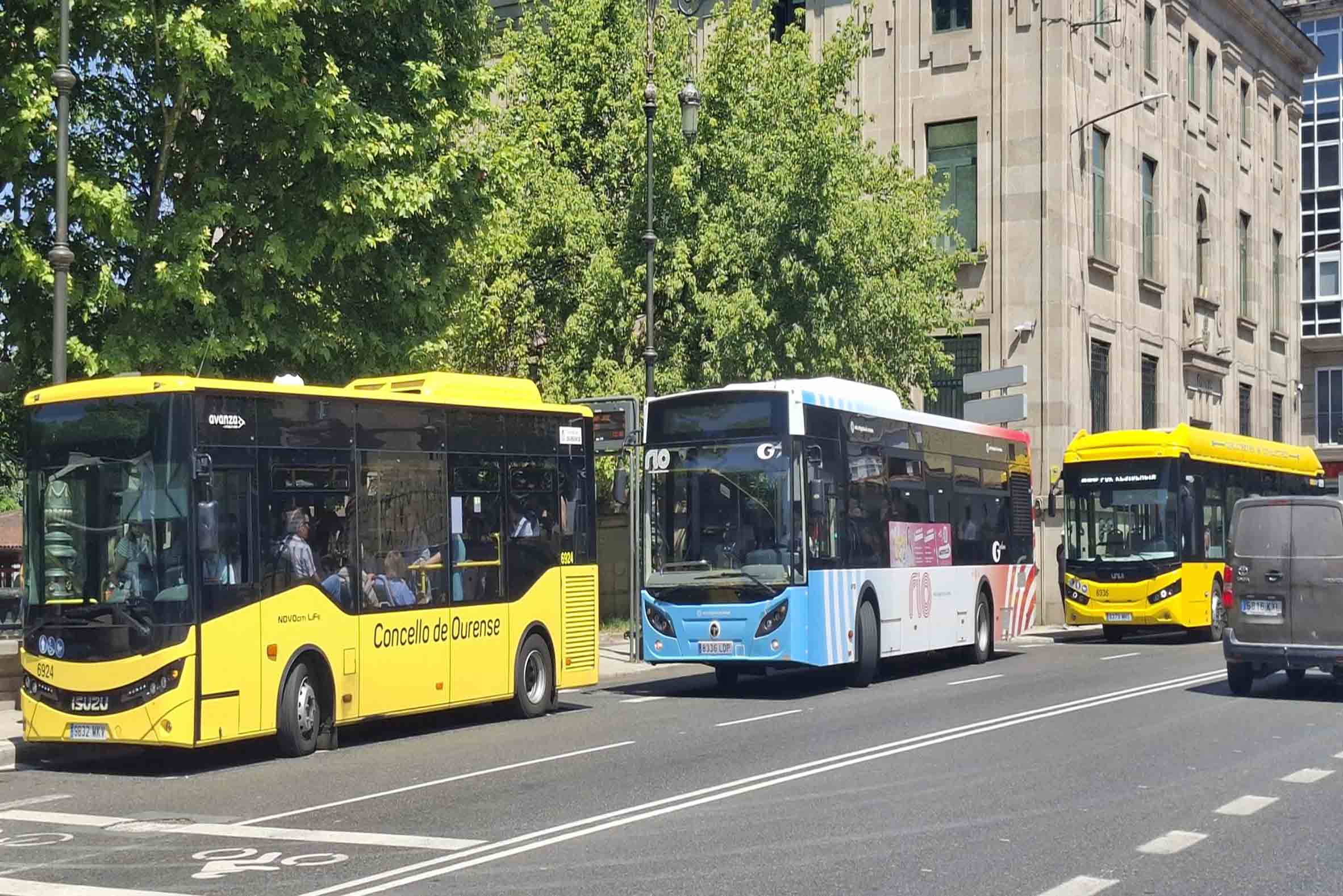
When I first arrived in Ourense, I wasn’t prepared for just how walkable, compact, and deceptively efficient the city’s public transport would be. Nestled in the heart of Galicia, this underrated gem isn’t your typical metropolis—there’s no sprawling subway, no crowded trams—but there’s a local rhythm to how people move, and once you tune into it, it becomes easy to explore every corner like a local.
Let me walk you through how I learned to navigate Ourense like a resident, from hopping on the right urban bus to understanding the nuances of regional rail—and how you can do the same without wasting time or money.
1. Understanding the Size of Ourense: A Walkable City That Still Needs Transit
When I first unfolded my city map at the hotel desk, I was amazed. Ourense is small. Its historical old town, train station, Roman bridge, thermal baths, and even some neighborhoods like A Ponte are all within walking distance—or at least under a 20-minute stroll.
But don’t let the size fool you. The city is hilly, the weather can shift from sunny to soggy in an hour, and if you plan to visit multiple thermal spots, museums, or head into the outskirts, you’ll need public transport.
Especially if you’re traveling with family, elderly parents, or young children, buses will save your energy for soaking in a thermal spring or climbing the towers of Catedral de Ourense.
📍 Where I stayed: I booked my room at the charming Hotel Francisco II, right in the center, via Booking.com. Their front desk gave me a free printed transit map—and yes, those still matter in a city where digital signs are sparse!
2. Getting to Know Urban Buses (Autobuses Urbanos de Ourense)
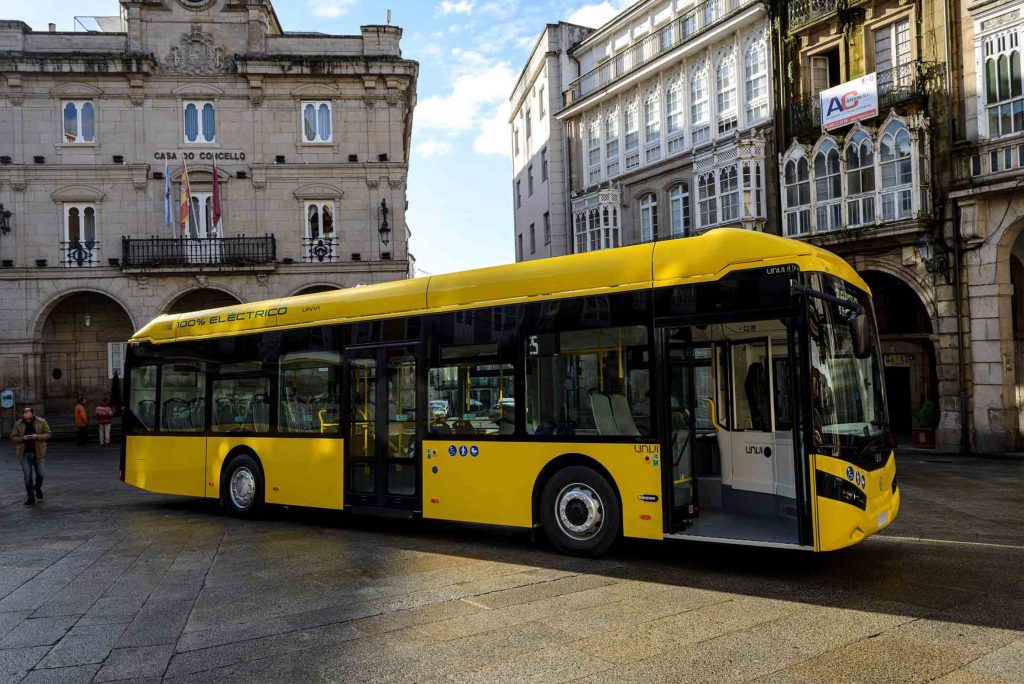
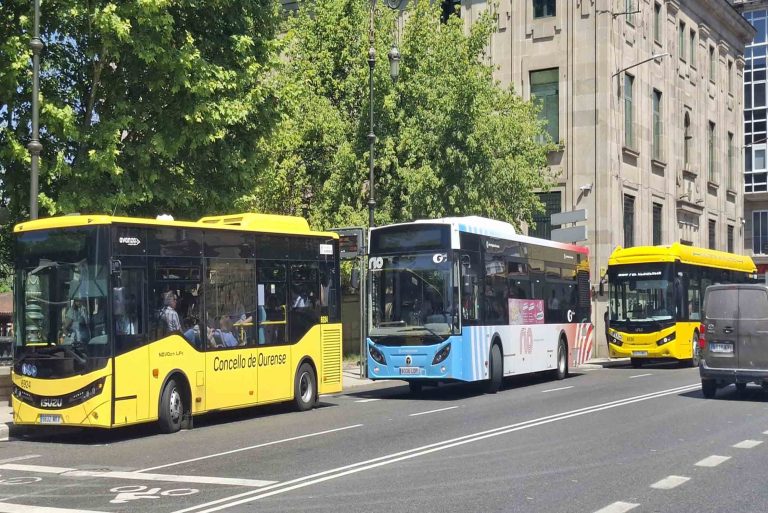
Ourense’s public bus system is operated by Urbanos de Ourense, and it’s surprisingly efficient for such a mid-sized city. There are 19 lines, each connecting key neighborhoods like Barrocás, A Ponte, O Couto, and the University Campus. And they all converge downtown or near the train station, which makes transfers easier than in most big cities.
🚌 The basics I learned on Day 1:
- Buses run from 6:30 AM to 10:30 PM most days.
- A single ride costs €1.00 (cash only; coins are your friend here).
- There are electronic screens at major stops, but at smaller stops, locals rely on memory or the paper timetables.
- The most useful lines for tourists are:
- L3: goes to Termas de Outariz, my favorite thermal spa.
- L5: serves the Train Station, then loops to the University and Hospital.
- L12: connects residential neighborhoods with Praza Maior.
My first ride was on Line 3, heading toward the thermal complex near the river. The driver greeted me with a nod, and though my Spanish is only passable, I asked “¿Outariz?” and he nodded again, gesturing for me to sit up front. This friendliness is part of why I adore Ourense.
📲 Local Tip: I downloaded the Moovit app, which works perfectly in Ourense and helped me track the bus in real time. It even warns you if service is delayed due to local festivals or construction.
3. Renfe: The Gateway Into—and Out of—Ourense
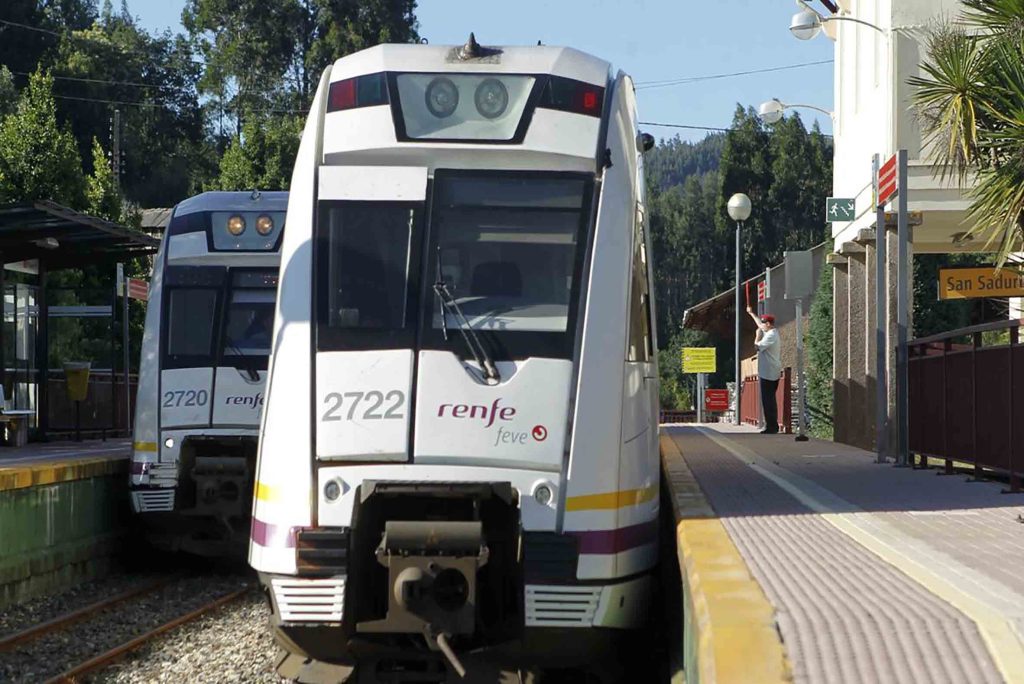
You can’t talk about Ourense’s transport without mentioning Renfe, Spain’s national rail network. While you won’t be riding a train to get around town, you will likely use Renfe to arrive, especially if you’re coming from Madrid, Santiago de Compostela, Vigo, or A Coruña.
I took the AVE high-speed train from Madrid-Chamartín, and the experience was pure Spanish elegance: leather seats, fast Wi-Fi, landscape views of vineyards and Galician hills, and arrival in under four hours. The train station, Estación de Ourense-Empalme, is about a 15-minute walk from the old town. But if you’re carrying luggage or arriving at night, I recommend taking Bus L5 or a local taxi, which costs roughly €7–€9.
🎟️ Booking platform tip: I always compare prices on Omio and Trainline EU before booking Renfe. Sometimes booking a week in advance saves you 30% or more. Occasionally, I also use Renfe’s official site if I’m collecting loyalty points.
💬 One unexpected joy? The train café car, which served excellent café con leche and mini bocadillos during my ride. Not quite fine dining, but after a day exploring Madrid, it hit the spot.
4. Taxis and Ridesharing: When You Need Comfort Over Cost
While Ourense’s public transport covers most needs, I quickly realized there are times when a taxi is simply the better option. Late night arrivals, rainy days (and there are many in Galicia), or when I was returning from a thermal spa with a towel around my neck and steam still rising from my hair — the last thing I wanted was a long bus wait.
🚖 You’ll find official taxis at stands near:
- Estación Ourense-Empalme (the main train station)
- Praza do Ferro
- Praza das Mercedes
- Hospital Cristal (great for catching one near the university district)
Rates start at around €3.75, and you’ll usually pay €8–€12 for a cross-town ride. No Uber or Bolt here — Ourense still loves its local taxis.
📲 How to book: I used the app PideTaxi (works across Spain), which let me order a cab in Spanish or English. Alternatively, you can call +34 988 210 000 — the main Ourense radio taxi line.
💡 Insider tip: Ask your hotel to pre-book you a taxi if you’re catching an early train or flight. Many drivers speak some English, but having your address written down in Spanish is always wise.
5. Thermal Train (El Tren de las Termas): A Quirky Ride to the Hot Springs
One of the most delightful surprises during my Ourense stay was discovering the Tren de las Termas, a vintage-style tourist train that chugs along the Miño River and stops at the most famous hot springs.
It’s not just transportation—it’s a little adventure in itself. I climbed aboard from the Praza Maior stop, and in about 20 minutes I was dropped off at Outariz, arguably the most beautiful thermal complex in the city.
🎫 Tickets cost around €0.85 each way — yes, less than a coffee. It’s part of the local transit system, but operates with charming wooden carriages and open sides in summer months. Locals love it as much as tourists do.
🕰️ It runs more frequently in spring and summer, generally from 10:00 AM to 1:30 PM and 4:00 PM to 8:30 PM, with fewer services in winter.
📍 Must-know: The last train back to the city often fills up on weekends. I once had to wait an hour because the first one was packed. Get in line early — or take a bus or taxi back.
6. Walking in Ourense: Not Always As Easy As It Seems
At first glance, Ourense seems perfect for walking—and in many ways, it is. The historic center is pedestrianized, filled with beautiful stone alleys, shaded arcades, fountains, and sudden little plazas that make you stop and take photos.
But outside the center, things get hilly. And the Ponte Vella, the ancient Roman bridge, is beautiful but exhausting on foot after a full day. I learned to pair walking with smart bus use.
👟 Travel tip: Wear supportive shoes. No sneakers with thin soles. Galicia’s old stone streets can be rough on feet. My favorite combo? Explore the old town by foot in the morning, take a bus to the thermal baths in the afternoon, and grab a taxi home when your legs can’t go further.
🗺️ Navigation tool: Google Maps walking directions work well in Ourense, but I prefer the Mapy.cz app for offline walking routes—especially useful in older areas with spotty data.
7. Cycling in Ourense: Pleasant, But Best for Locals
This one surprised me. While many Spanish cities are going all-in on bikes and scooters, Ourense remains a bit old-school. There are few dedicated bike lanes, and the city’s geography (steep slopes, riverbanks) makes cycling challenging unless you’re very fit.
That said, if you’re staying for more than a few days, you can rent bikes through:
- Ourense Bike (Rua do Progreso, 109) – city bikes and e-bikes, around €15/day.
- La Bicicleta Café – hipster vibe, occasional bike tours, good rental rates.
🚲 Best routes: The Miño River promenade has a lovely flat stretch perfect for riding. I took an afternoon to cycle from Puente del Milenio to Outariz, stopping for tapas at Chiringuito Termas halfway through.
8. The Art of Timing: How Holidays and Siestas Affect Transport
One thing first-time travelers forget: Spain runs on rhythm, and that includes transport. On holidays (and there are many), the buses shift to reduced service. And during siesta hours (2–5 PM), many stops feel eerily quiet.
📅 I visited during Semana Santa, and several lines were canceled or changed routes for processions. It took me a full day to figure out why my usual bus never came.
🛑 My advice: Always check holiday schedules the day before. The Urbanos Ourense website (https://www.urbanosourense.es) has route PDFs, though they’re not always up-to-date. Ask locals, or check with your hotel reception.
9. Useful Transit Apps and Websites I Relied On
During my two weeks in Ourense, these digital tools saved me time, money, and missed buses:
- Moovit – Real-time bus tracking.
- Omio – Best site to compare flights, buses, and trains.
- Renfe.com – Train schedules and tickets.
- Cabify – No service in Ourense yet, but useful if you’re arriving in Madrid or Santiago de Compostela.
- ElTenedor (The Fork) – Book local restaurants with discounts.
📲 Extra tip: I made a “Transport” folder on my phone home screen to keep everything in one place. In a small city like Ourense, preparation makes all the difference.
10. Respect the Pace of the City
If there’s one thing I’ve learned in Ourense, it’s this: slowness is not inefficiency—it’s tradition. Things move a little more slowly here, and that includes buses, signage updates, and transport announcements. Locals take their time. And as a traveler, embracing that rhythm made all the difference.
Sometimes I missed a bus and had to sit in the sun with an espresso. Sometimes a taxi was late, and I ended up chatting with a kind abuela who offered me fresh fruit. These aren’t delays—they’re part of what makes traveling in Galicia so deeply personal and real.
So, plan your routes. Use the apps. But also leave time for surprises—and maybe, just maybe, you’ll fall in love with a place where a short bus ride to a hot spring can become a memory you’ll keep for years.







+ There are no comments
Add yours