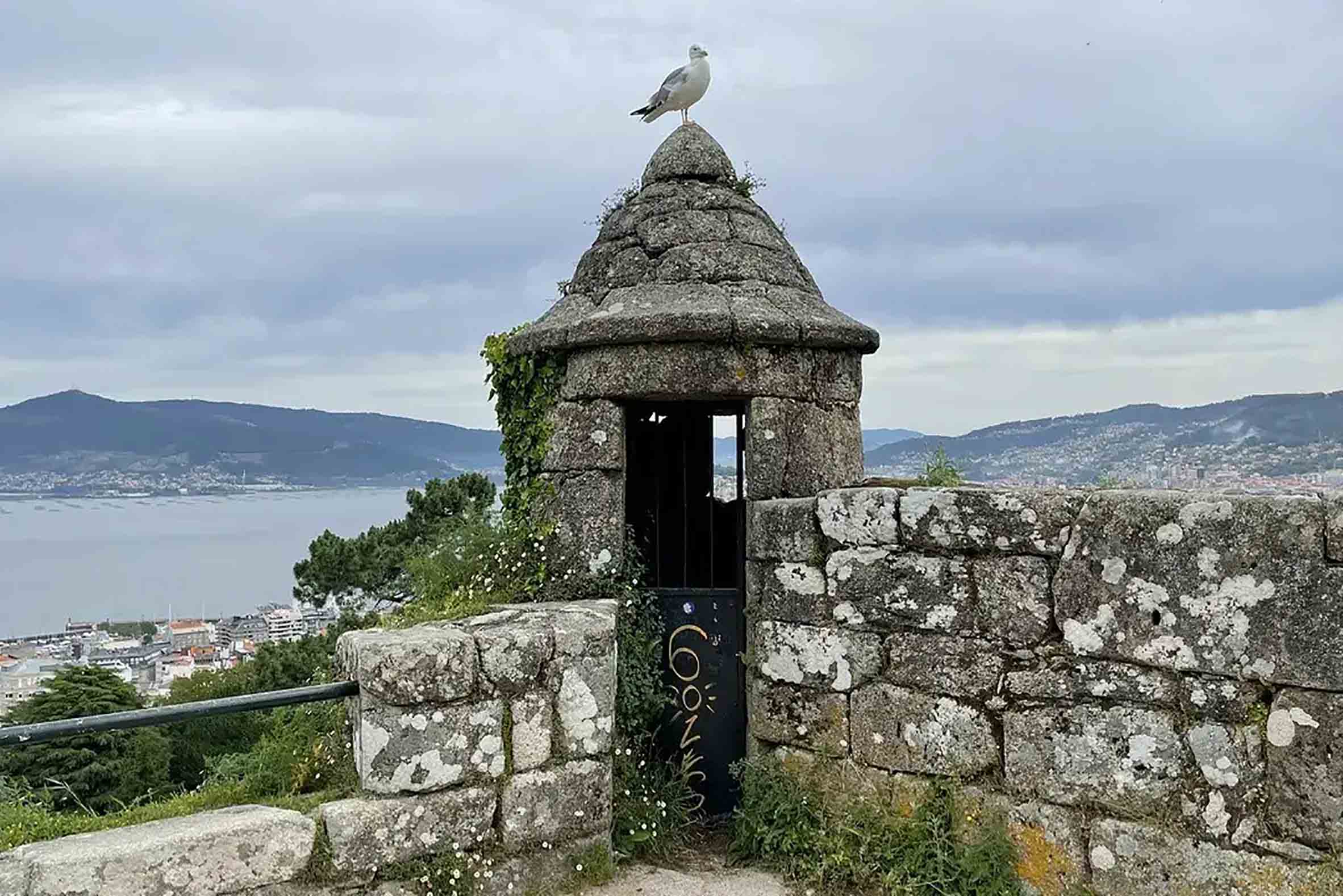
I never expected Vigo to charm me quite so thoroughly. When I first arrived in this coastal Galician city, I was expecting a sleepy port town and maybe a few seafood meals. What I found instead was a city alive with raw Atlantic beauty, winding alleys filled with scent and sound, and—most surprisingly—a destination where your euros stretch in ways they never could in Barcelona or Madrid.
If this is your first time in Vigo and you’re wondering how to experience its best without overspending, you’ve come to the right place. As a travel writer based in Spain, I’ve explored Vigo on tight budgets, modest indulgences, and everything in between. In this guide, I’ll walk you through 10 practical and personal insights on Vigo’s cost of living, budgeting tips, and how to travel like a local with a savvy edge.
1. Accommodation: Why Vigo Is a Goldmine for Budget Travelers
Let’s start with where you’ll sleep—because trust me, in Vigo, you don’t have to spend a fortune to sleep well.
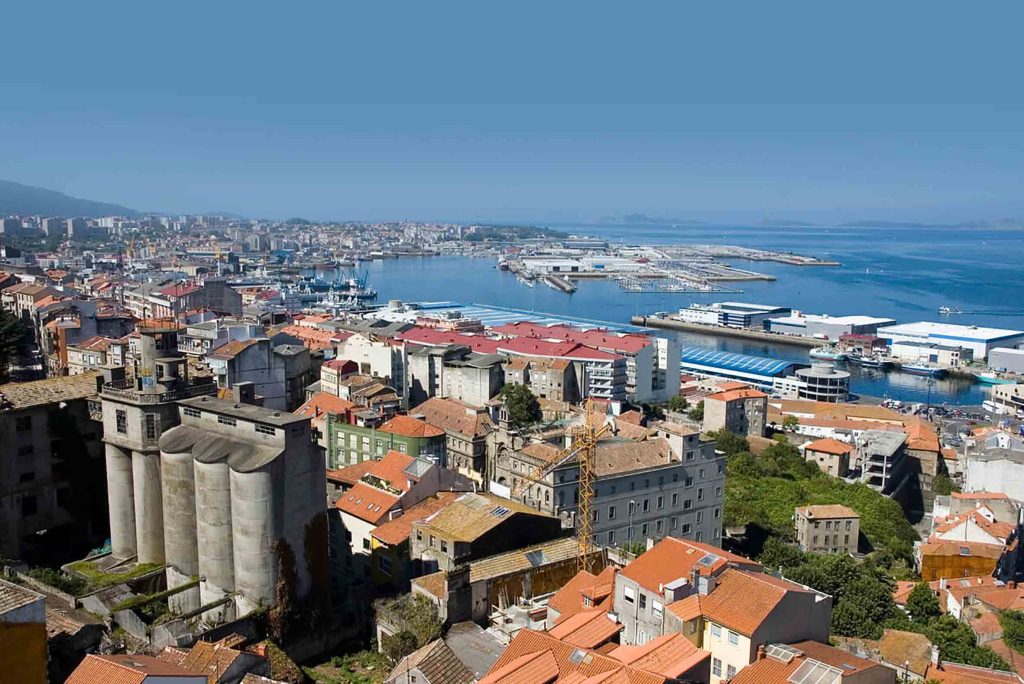
Unlike Spain’s big cities like Barcelona or Madrid, where hostels can easily push past €50 a night for a bunk bed, Vigo’s hotel and guesthouse scene is refreshingly affordable, even in peak season. I’ve been pleasantly surprised by how far your money goes here. In the heart of the Old Town (Casco Vello), I once checked into a family-run pensión where €35 got me a cozy, stone-walled room with a skylight and a view over the terracotta rooftops. It wasn’t five-star luxury, no, but it was clean, welcoming, and wildly atmospheric—the kind of place where you feel the city breathing just outside your window.
The sense of hospitality in Vigo is different. The owners greet you with a map, circle their favorite seafood spots, and pour you a glass of wine before you’ve even dropped your bags. Many of these guesthouses are multi-generational family homes, converted gradually into budget-friendly accommodation. You’re not just a tourist—you’re a guest.
Top picks I’ve stayed in:
- Hotel Puerta Gamboa: This charming boutique hotel is a step above in comfort and elegance, with spotless rooms and attentive hosts who genuinely love their city. Rooms start at €85/night, and the location—just off the harbor—makes it perfect for early morning ferry rides to the Cíes Islands.
- Pensión Residencia Buenos Aires: For those traveling in shoulder season (October through May), this place is a gem. It’s right in the city center, super clean, and prices drop under €40. I stayed here for four nights and found the staff incredibly helpful. They even stored my hiking boots after a muddy day on Monte Alba.
Booking Tips:
- Use Booking.com to scout for transparent pricing and cancellation policies. Look for properties with 8.5+ ratings and verified reviews from solo travelers if you’re alone.
- Check Agoda and Hoteles.com during festival weeks—when prices can spike, these platforms often offer bundled discounts.
- Set price alerts on Google Hotels. It helped me snag a beachfront room in Samil during summer for €70—unheard of in coastal Spain.
- Try Traveluro for lesser-known listings. I once found a boutique guesthouse not even listed on the big platforms—hidden gems still exist.
2. Food: Tapas, Tascas, and the Joy of Eating Like a Local
Eating in Vigo is a sacred ritual. This city isn’t just about food—it’s about gathering. And you don’t need deep pockets to eat exceptionally well. One of my first Vigo meals was at a dimly lit tavern called Taberna A Pedra, tucked behind the cathedral. For just €8.50, I was served a steaming plate of grilled octopus, rustic bread, and a glass of chilled Albariño that tasted like a sea breeze kissed with citrus. It was simple, authentic, and unforgettable.
My favorite budget meals:
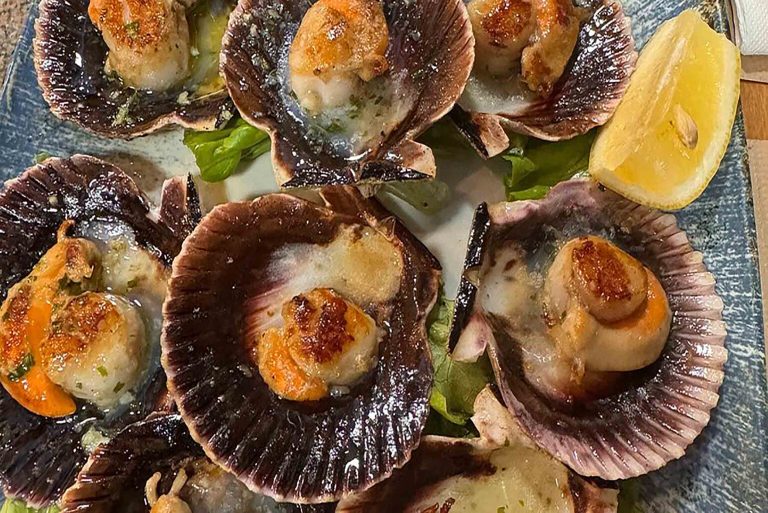
- Zamburiñas (small scallops): These beauties are grilled lightly with garlic and parsley, and often served with lemon wedges. You’ll find them on menus for around €6–9 per plate, and they’re perfect for sharing.
- Pulpo á feira: Galicia’s signature dish—octopus boiled in a copper pot, sliced with scissors, and served on a wooden plate with paprika, olive oil, and salt. It’s around €10–12 and best enjoyed with crusty bread and a short pour of local ribeiro wine.
- Empanada gallega: These aren’t the Latin American variety. Vigo’s empanadas are large, savory pies—filled with tuna, onion, chorizo, or even scallops. At bakeries or cafes, you can grab a slice for just €3–5, making it a perfect lunch while exploring the city.
Many restaurants offer a “menú del día”, or daily menu, especially on weekdays. For €10–13, you get a full meal—starter, main, drink, dessert or coffee—and often more food than you can finish. I once had grilled hake, fresh tomato salad, and Santiago cake for €11. You can’t beat that for value.
Smart Dining Tips:
- Use TheFork to make restaurant reservations in Vigo, especially for dinner on weekends. The app also offers up to 50% off select menus if you book in advance—I’ve enjoyed entire tapas dinners at half price this way.
- TripAdvisor’s Spanish-language reviews are a goldmine. Locals often leave detailed tips on what to order and which spots are overrated.
- Avoid restaurants right next to the cruise port. Walk five minutes uphill into Casco Vello and you’ll find far better food, for half the price, with actual locals at the tables.
3. Transportation: Walk More, Ride Less, Ferry Often
Vigo is a surprisingly walkable city—though the hills will test your calves. I averaged 12,000 steps per day exploring the old quarter, shopping areas like Rúa do Príncipe, and climbing up to O Castro Hill for sunset.
What I spent:
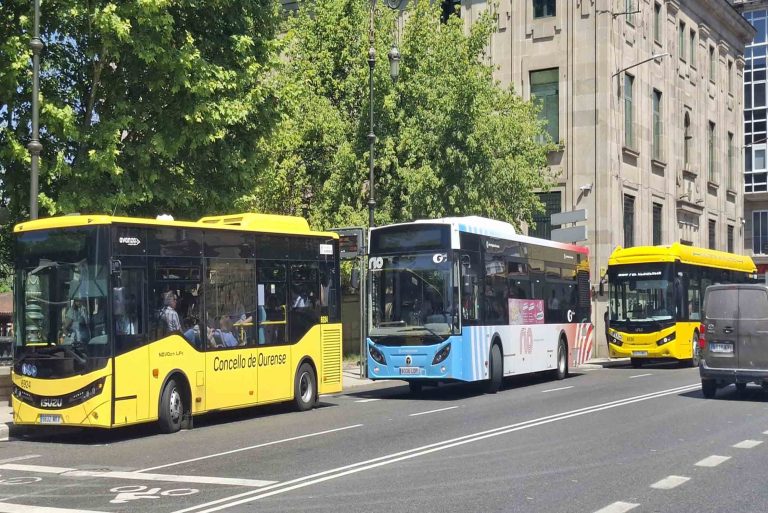
- Public buses: €1.35 per ride, or get a rechargeable pass at Estación de Urzaiz.
- Ferries to Cangas or Moaña: €2.30–€4.40 one way—and worth every cent.
Taxis are available but often unnecessary. For further travel, I highly recommend Omio to compare trains, buses, and even BlaBlaCar options around Galicia.
4. Flights: Scoring the Cheapest Madrid to Vigo Tickets
Flying into Vigo (Peinador Airport) is incredibly affordable from Madrid if you time it right. I once booked a flight for €19.99 on Air Europa. Yes, you read that correctly. The flight took under an hour, and the views coming into Galicia’s green hills were stunning.
Best sites for flight deals:
- Skyscanner: Search by “cheapest month” to catch flash sales.
- Kiwi.com: Combines budget airlines and buses in a single itinerary.
- Google Flights: Ideal for tracking prices.
Airline favorites:
- Air Europa: Punctual, clean, includes a snack.
- Iberia Express: Often includes a free checked bag on certain fares.
- Vueling: Can be hit-or-miss, but great on price.
5. Cultural Attractions: Affordable, Authentic, and Often Free
One of the best things about Vigo? Many of its best cultural offerings cost nothing.
Highlights I loved:
- Museo del Mar: €3 entrance, rich maritime history.
- O Castro Fortress: Free and jaw-dropping at sunset.
- Casco Vello walking tour: Book a free tour via Civitatis — tips appreciated.
There are also street art trails, urban gardens, and open-air concerts, especially in summer. Check Turismo de Vigo for updated event listings.
6. Markets & Shopping: Vigo’s Hidden Value
On my last visit, I stumbled into Mercado da Pedra and found handmade soaps, sardine tins with vintage designs, and wool shawls woven by Galician grandmothers. The best part? Nothing cost more than €15.
Don’t waste time (or money) in airport souvenir shops. For meaningful gifts, try:
- O Progreso Market: Ceramics, spices, wine.
- Rua do Príncipe: Boutique fashion and leather goods.
- Craft fairs in Plaza de Compostela on weekends.
Cash is still king in small stalls, but most accept cards now. Always ask before you swipe.
7. Festivals & Events: A Budget Traveler’s Dream
In summer, Vigo lights up with festivals that are mostly free to attend. I planned a trip around O Marisquiño—a street culture festival blending BMX, breakdancing, and food trucks. I spent just €10 the whole day, mostly on grilled sardines and mojitos.
Local celebrations like Festa da Reconquista are a vivid throwback to the city’s history and involve parades, period costumes, and open-air markets.
Plan your trip using:
- Eventbrite Spain
- Entradium for indie concerts and local gigs
8. Day Trips: Worth Every Euro
Vigo is the perfect base for day trips that don’t drain your wallet.
Favorites:
- Cíes Islands: €20–30 including ferry. You must book in advance on Mar de Ons.
- Baiona: Medieval castle, beach, and seafood for under €25 all in.
- Cangas or Moaña: Ferry across the bay; beaches, trails, and seaside bars.
Pro-tip: Bring your own picnic and avoid overpriced food on the islands.
9. SIM Cards & WiFi: Staying Connected on the Cheap
I used to rely on expensive roaming. Now, I just install an eSIM from Airalo before I land—€14 for 5GB. Works instantly and saved me a bundle.
Many cafés and accommodations have solid WiFi, but don’t expect strong coverage in rural spots or beaches.
10. Budgeting Mindset: Spend Where It Counts
Traveling well doesn’t mean always saying “no” to fun—it means choosing consciously. I say yes to:
- A €10 bottle of local Albariño from a wine shop.
- Entry to a Galician folk concert at a dive bar.
- A second round of octopus because life is short.
But I say no to:
- €20 breakfast buffets.
- Generic chain restaurants.
- Souvenirs you’ll forget in a week.
I recommend using Revolut or Wise for better exchange rates and budget tracking if you’re coming from outside the eurozone.
Vigo is not flashy—but it is generous. The kind of city that rewards curiosity, rewards walking, and rewards the traveler who slows down. Whether you’re wandering past fishmongers in Bouzas, sipping coffee near the port, or watching the sunset from O Castro, it doesn’t matter how much you spend.
In Vigo, value isn’t just found in prices. It’s found in perspective.
So come light. Come curious. Come ready to let the city show you that being cost-conscious isn’t a compromise—it’s a kind of travel magic.






+ There are no comments
Add yours